

Laparoscopic Sleeve Gastrectomy in Dubai
A powerful, minimally invasive procedure for sustainable weight loss and improved health.
Understanding the Procedure

Laparoscopic Sleeve Gastrectomy is a state-of-the-art, minimally invasive surgery designed to help you achieve significant and lasting weight loss. During the procedure, a surgeon removes about 80% of the stomach, reshaping the remainder into a narrow, sleeve-like tube.
This transformation has two key benefits: the reduced stomach capacity limits food intake, promoting a feeling of fullness (satiety) much sooner. Critically, the surgery also removes the primary area of the stomach that produces ghrelin, the "hunger hormone," leading to a significant decrease in appetite. Because it's performed laparoscopically through small incisions, patients experience less pain, minimal scarring, and a much faster recovery.
Key Benefits of Sleeve Gastrectomy
This transformative procedure offers numerous advantages beyond weight loss.
Effective Weight Loss
Patients typically lose 60-70% of their excess body weight within the first one to two years.
Health Improvement
Dramatically improves or resolves conditions like Type 2 diabetes and hypertension.
Reduced Hunger
Removal of the hunger-producing part of the stomach leads to a drastically reduced appetite.
Understanding Weight Loss Stalls
Weight loss is not always linear. Select a timeframe to understand why plateaus happen.
Sample Protein Goal Calculator
Protein is vital for healing and preserving muscle. Get a sample daily protein goal. This is an estimate, not medical advice.
Gastric Sleeve Surgery (Sleeve Gastrectomy)
What is Sleeve Gastrectomy?


It is a surgical procedure that reduces the size of the stomach by removing a large portion, leaving behind a narrow tube-shaped stomach of approximately 100 ml in capacity.
It is one of the most popular and effective bariatric procedures today and is the first choice in many countries.
How Does It Work?
The procedure works by:
- Reducing stomach volume, limiting food intake.
- Removing the part of the stomach that secretes hunger hormones, resulting in reduced appetite and early satiety.
Weight Loss Outcomes
- Patients typically lose 50% of their excess weight within 6 months.
- Most return to normal weight within one year after surgery.
Improvement in Diabetes and Other Conditions
- 60% reduction in blood sugar levels within 6 months.
- 85% of patients experience complete resolution of type 2 diabetes within one year.
Recovery Timeline
- Hospital discharge usually occurs 2 days after surgery.
- Return to normal activities and work is expected within 10 days.
Vitamin Deficiency After Surgery
- Since the food follows the natural digestive pathway, patients rarely experience deficiencies in vitamins or minerals.
- Therefore, hair loss and brittle nails are uncommon.
Disadvantages of Sleeve Gastrectomy
- The removed portion of the stomach cannot be restored.
- The stomach may stretch over time if dietary guidelines are not followed.
- Not suitable for patients who frequently consume sweets, chocolate, ice cream, or carbonated beverages.
FAQs & Considerations
Who Is a Candidate for Sleeve Gastrectomy?
- Patients with obesity due to consuming large quantities of food in one sitting.
- BMI of 40 or more, or 35 or more with associated health issues like diabetes, hypertension, PCOS, or infertility in men and women.
Can Patients Get Pregnant After Surgery?
Yes, pregnancy is allowed after surgery as long as all vital nutrients and biochemical parameters are within normal levels.
Causes of Stomach Stretching After Surgery
- Eating beyond the feeling of fullness.
- Drinking water during meals.
- Consuming carbonated beverages.
How to Prevent Stomach Stretching
- Avoid eating until completely full.
- Refrain from drinking during meals.
- Avoid all carbonated drinks.
Possible Complications
- Staple line leak or gastric perforation, usually due to delayed healing. Often treated with endoscopic stents or clips.
- Abdominal fluid or blood collection, especially during the first week due to internal bleeding. May require re-exploration and drainage.
- Fatigue and nausea during the first 2–4 weeks as the body adapts to the new diet.
- Hair loss and brittle nails, rarely occurring, often related to vitamin B6 deficiency, and manageable with increased protein and vitamin intake.
Understanding Surgical Leaks
What Is a Leak After Bariatric Surgery?
A leak is when stomach fluids escape into the abdominal cavity, typically due to poor healing of the stapled area.
Leak Incidence Rate
Occurs in 1% to 3% of cases globally, often due to tissue rejection of staples.
Symptoms of a Leak
Fever, elevated heart rate, sharp abdominal pain—classic signs of leakage and possible sepsis.
How to Diagnose a Leak
Through contrast X-rays or multi-slice CT scans with oral contrast.
When Do Leaks Occur?
Most commonly between day 4 and two weeks post-op, during the stomach’s healing phase.
Causes of Leaks
- Primary cause: rejection of staples (1–3% of cases)
- Other causes: Low protein levels due to poor pre-op nutrition; use of low-quality or reused staplers.
How Are Leaks Treated?
Thanks to medical advancements, leaks are now more treatable, especially when detected early:
- If leakage is less than 100 ml/day, it can be managed medically by stopping oral intake.
- If leakage is over 1000 ml/day, endoscopic stent placement is often required.
- In some cases, surgical repair may be necessary.
Leak Prevention Tips
- Proper preoperative patient preparation, especially correcting low protein levels.
- Use of high-quality, internationally approved staplers.
- Close postoperative monitoring for early detection and management.
What Causes Vitamin Deficiency After Sleeve Gastrectomy?
These deficiencies are treatable with supplements, the right foods and regular blood tests.
- Poor patient preparation with pre-existing deficiencies not diagnosed or treated before surgery.
- Poor postoperative nutrition choices.
Contraindications for Sleeve Gastrectomy
- Presence of gastric ulcers or severe GERD (reflux disease).
- Inability to stop binge eating sugary foods.
Expert Sleeve Gastrectomy in Dubai
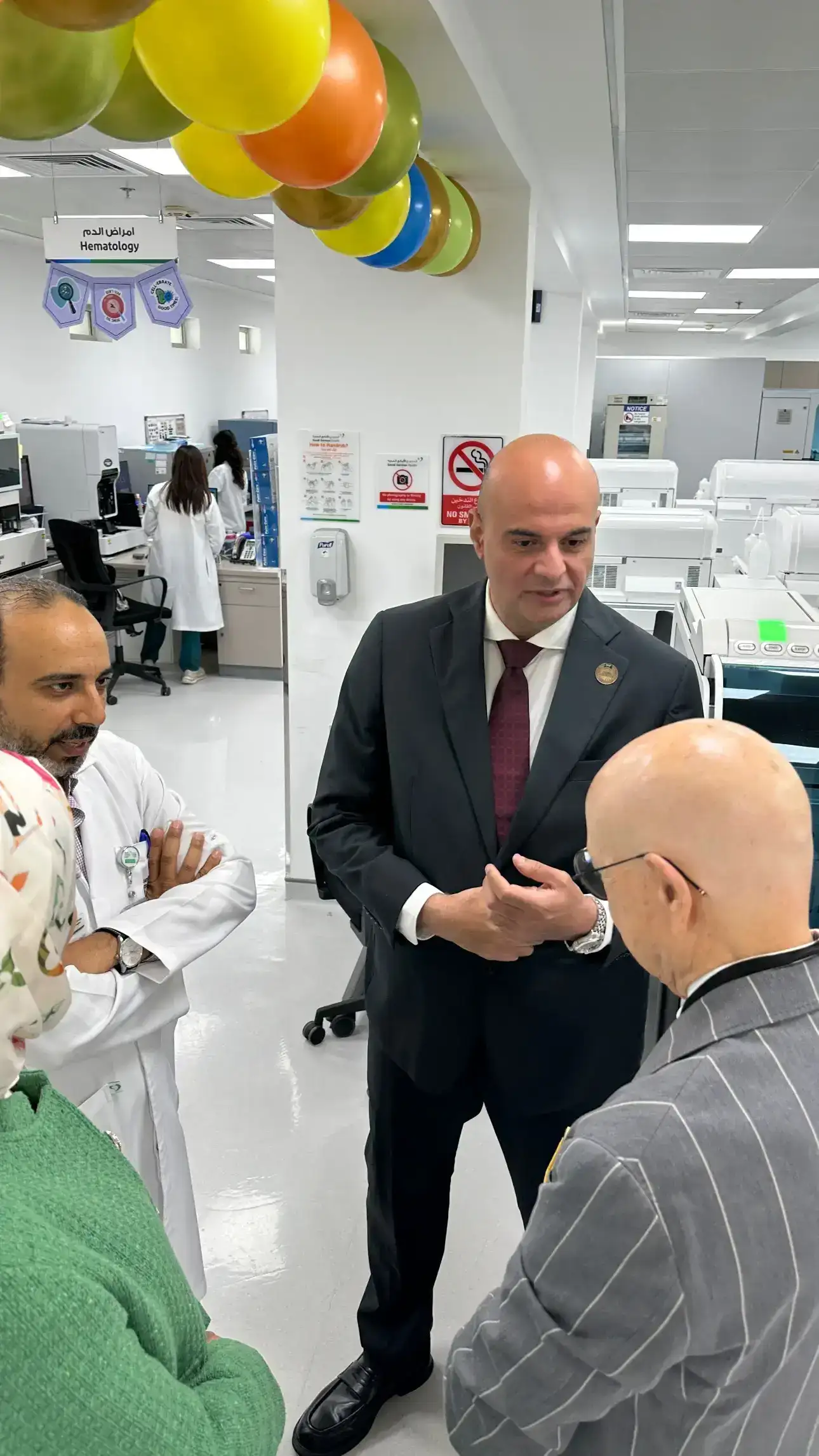
Prof. Dr. Tamer Salama
Consultant General & Weight Loss Surgeon at Saudi German Hospital, Dubai
For those considering a sleeve gastrectomy, we recommend Prof. Dr. Tamer Salama. As an SRC-accredited Master Surgeon in Metabolic & Bariatric Surgery, his expertise in minimally invasive techniques ensures the highest standard of care.
Dr. Said and his team at the Center of Excellence in Saudi German Hospital Dubai are dedicated to providing safe, effective, and life-changing results for patients undergoing sleeve gastrectomy and other bariatric procedures.
Related articles
Ready to Take the Next Step?
Book a free consultation with Prof. Dr. Tamer Salama.
Book Consultation